
The holidays have a way of turning the volume up on everything—joy, stress, loneliness, family dynamics, and old memories that don’t stay politely in the past. For people living with addiction, or those carrying the weight of complex trauma, this season can feel less like twinkle lights and more like a gauntlet.
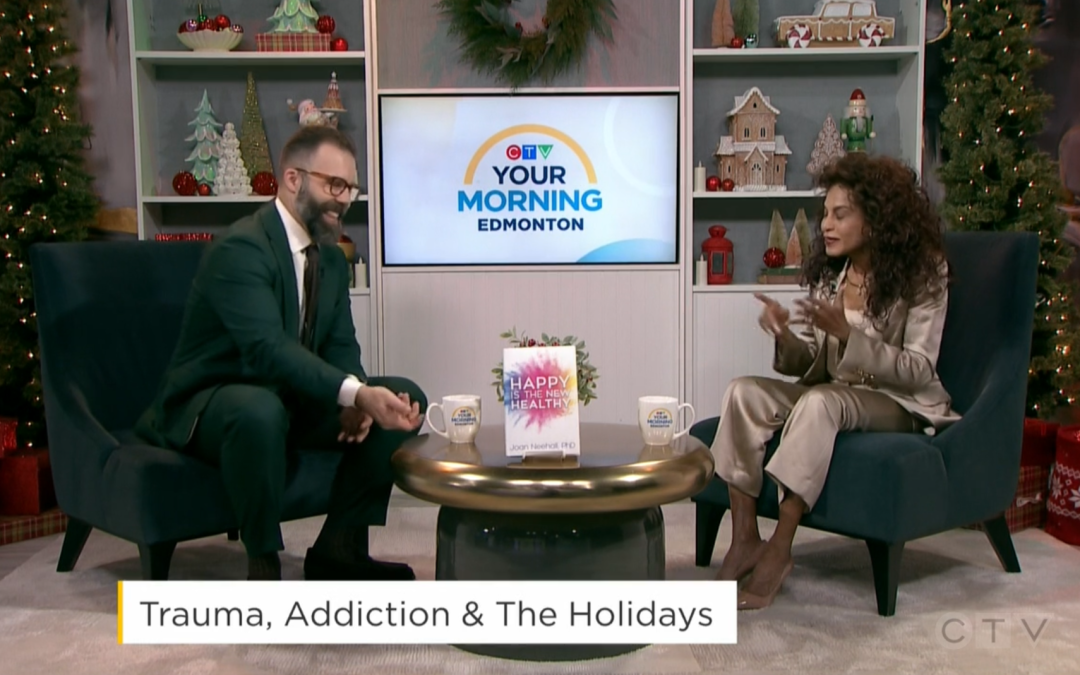
In a recent conversation, clinical psychologist Joan Neehall offered a grounded, compassionate lens that cuts through the stigma: instead of asking “Why addiction?” she suggests we ask a better question:
“Why the pain?”
Because, as she frames it, addiction often isn’t the “problem” so much as it is a solution—a coping strategy for pain that never had a safe place to go.
What Is “Complex Trauma,” Really?
Complex trauma isn’t usually a single terrible event. It’s more like an ongoing pattern—especially in childhood—where safety, care, and trust are repeatedly violated or missing.
Neehall points to roots like:
- Neglect
- Abandonment
- Childhood trauma
- Interpersonal betrayal, where the trusted caregiver is also the person causing harm
That last piece matters. When the person you depend on is also the person you fear, your nervous system learns a brutal lesson: the world is not safe—and neither are relationships.
Neehall explains that the child can become disconnected from self (often through dissociation), view the world as unsafe, and struggle with emotional dysregulation. Over time, this isn’t just “psychological”—it can be neurological, affecting how the brain develops and responds to stress.
And then the holidays show up, with expectations, gatherings, triggers, alcohol everywhere, and social comparison… and suddenly trauma and addiction collide right on schedule.
Four Evidence-Based Ways to Get Through the Holidays (If You’re Struggling)
Neehall offered four practical, research-backed strategies—simple, but not simplistic.
1) Practice Self-Compassion (Yes, Even If You Think You Don’t Deserve It)
That inner voice that says you’re failing, you’re weak, you’ve ruined everything—challenge it. Not with fake positivity. With compassionate truth. Self-compassion has real evidence behind it as a tool for reducing shame and improving resilience. And shame, as anyone who’s battled addiction knows, is rocket fuel for relapse.
Try this:
When the inner critic shows up, respond the way you would to a friend you love
- “This is hard.”
- “I’m not alone.”
- “I can take one small next step.”
2)Do a Daily Digital Detox (Yes, Even If You Think You Don’t Deserve It)
This one’s sneakily powerful. Social media can be a stress multiplier—comparison, doom-scrolling, family posts that trigger grief, and a constant drip of “everyone is thriving except me.”
Neehall suggests deliberately setting time each day to step away from devices and social media.
Make it easy: pick a repeatable window:
- First 30 minutes after waking
- During meals
- One hour before bed
3) Say “No” (and if you can’t, build an Exit Plan)
If you know an event will be stressful or triggering, you’re allowed to decline. That’s not being difficult—that’s being wise.
And if you truly must attend, Neehall recommends having:
- An entrance strategy
- An exit strategy
- A trusted friend who can anchor you if things get wobbly
Translation: don’t raw-dog a triggering holiday event without support and a plan.
4) Replace “Negative Addictions” with “Positive Addictions”
Neehall talks about building what she calls positive addictions—habits that create relief and reward without destroying your life.
Examples include:
- Exercise (a reliable mood stabilizer that supports serotonin and stress regulation)
- Healthy rituals that shift your state in the moment
The idea isn’t “be perfect.” It’s: give your nervous system something safe to reach for.
The Bonus Medicine: Community, Volunteering, and “Survival of the Kindest”
Loneliness is one of the biggest stressors during the holidays—and it can be especially intense for people in recovery or those who feel disconnected from family.
Neehall suggests turning outward in a way that creates real connection:
- volunteering
- community activities
- random acts of kindness
But with one important caveat:Start with kindness toward yourself. Then pass it on
She describes this as building a new ritual—one rooted in connection and compassion—calling it: “The survival of the kindest.” Honestly? That’s a holiday tradition worth keeping.
For Families Supporting Someone With Addiction or Trauma: The Mindset Shift That Changes Everything
Neehall’s closing point is one I wish could be printed on every holiday invitation:
Relapse is not a moral failure.
When families see relapse as a trauma response rather than a character flaw, it can change the entire recovery environment. It opens the door to support, treatment, and repair—without shame driving the bus.She emphasizes something deeply hopeful:Healing doesn’t mean erasing pain.It means transforming our relationship to it—with compassion.
And yes—she’s clear that full recovery is possible.
A Simple Holiday Reality Check (If This Season Feels Heavy)
If you’re struggling right now, you’re not broken. You may be carrying pain that never got properly witnessed, held, or healed.
Start smaller than you think you need to:
- One compassionate thought.
- One boundary.
- One walk.
- One text to a safe person.
- One choice that helps future-you.
And if you’re supporting someone else: compassion isn’t “letting them off the hook.” It’s choosing the one approach that actually works.
Because “why addiction” is a trap question. “Why the pain?” is where healing starts.